
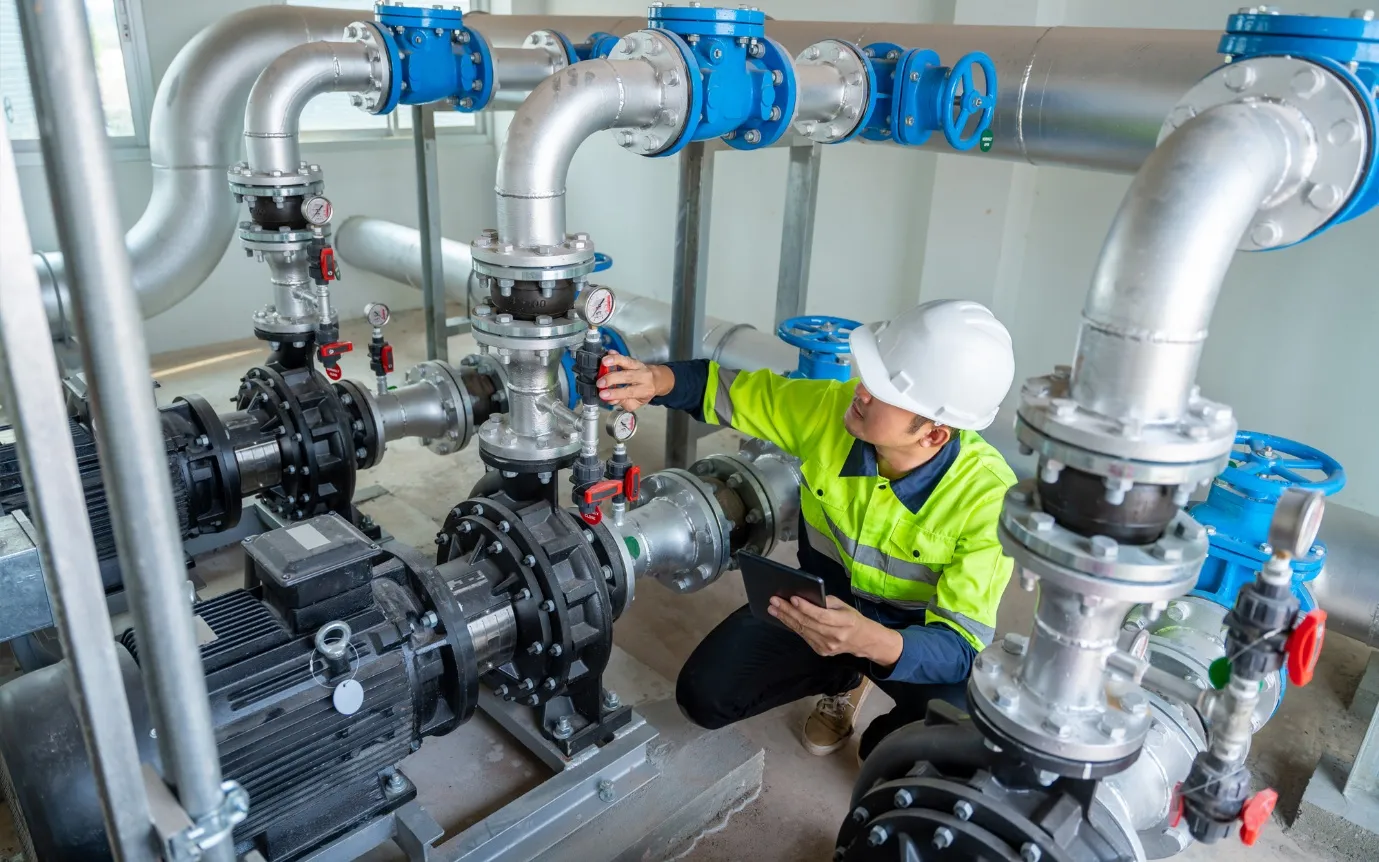
An industrial plumbing issue may affect far more than sinks and restrooms. Water supply, process lines, pumps, drainage, and supporting mechanical equipment can influence production and workplace operations. Managers assessing Plumbing Companies Bakersfield should consider whether a provider can understand the facility as a system. A maintenance plan for a manufacturing environment must reflect process demands, shutdown limitations, and safe access to specialized equipment.
Follow the Water Through the Facility
Begin with a practical map of incoming supply, storage, treatment, equipment connections, and wastewater routes. Identify components that directly affect manufacturing schedules or sanitation requirements.
The map should distinguish domestic plumbing from process-related piping. A small-looking valve can be critical when its isolation shuts down an entire production area.
Treat Downtime as Part of the Risk
A dripping fixture and a failed process connection have different business consequences. Rank maintenance priorities by likely impact, safety concerns, and the availability of temporary workarounds.
Coordinate with operations leaders before intrusive work. Time spent defining an acceptable shutdown window can be smaller than the cost of unexpectedly interrupting a shift.
A facility should also identify which records must be preserved when a line is modified, including drawings and relevant test information. These documents reduce uncertainty during later work and help contractors understand what changed from the original installation.
Consider Materials and Operating Conditions
Pipe materials and fittings must suit the fluid, temperature, pressure, and operating environment. Industrial service conditions should not be evaluated using assumptions borrowed from ordinary household plumbing.
Changes to a process can alter those conditions. Updating equipment without reviewing piping compatibility may transfer stress to parts of the system that were not designed for the new demand.
Control Access and Isolation
Lockout procedures and facility safety rules may apply before repairs. Contractors need clear information about restricted areas, hazardous processes, and whether lines can be reliably isolated.
Plumbers Bakersfield, CA facility teams should coordinate with authorized site personnel rather than improvise around isolation requirements. Safe planning protects both workers and equipment.
Document Recurring Faults
Keep a record of pressure changes, leaks, repeated clogs, and pump-related issues. Note whether problems occur during startup, cleaning cycles, peak production, or maintenance shifts.
Timing patterns can point toward operating causes instead of random component failure. Better records also make it easier to justify planned replacement before an unplanned breakdown.
Periodic planning meetings can bring maintenance, production, and safety staff together before a critical repair becomes urgent. Even a brief discussion can reveal scheduling conflicts, safety access requirements, and equipment dependencies that a plumbing technician would not know from the pipework alone.
Know When Fabrication Is Involved
Some industrial jobs require welding or changes to supporting mechanical systems. Scope discussions should account for permits, materials, testing, and any trade qualifications the work requires.
A repair that changes pipe routing can affect access, drainage, and later inspections. Drawings and completion records are useful long after the contractor leaves the site.
Plan for Testing Before Restart
Post-repair verification may include leak checks, operational testing, or other procedures appropriate to the system. Establish acceptance criteria before service begins whenever the work affects critical operations.
Do not assume equipment is ready because a visible leak has stopped. Controlled restart and communication with operators can help reveal issues while response options remain available.
When capital replacement is proposed, compare the effect of doing the work during planned downtime with the risk of an emergency outage. That decision is specific to production value, available spares, and the condition of the line. A documented risk discussion helps management understand why a preventive project is justified.
Review the Maintenance Strategy Annually
Production changes, new equipment, and aging infrastructure can make an older maintenance calendar obsolete. Review failure history, inspection observations, and planned capital projects together.
The objective is not constant replacement. It is to decide deliberately which assets can be maintained, which need closer monitoring, and which may justify investment before they fail.
Conclusion
Industrial plumbing management is fundamentally about systems, safety, and continuity. Clear mapping, documented conditions, coordinated shutdowns, and appropriate testing reduce uncertainty when repairs are necessary. Slaterplumbing.com presents industrial and manufacturing plumbing capabilities alongside its other services. Facilities benefit from treating mechanical plumbing decisions as part of operational risk management rather than as occasional isolated maintenance requests.
