
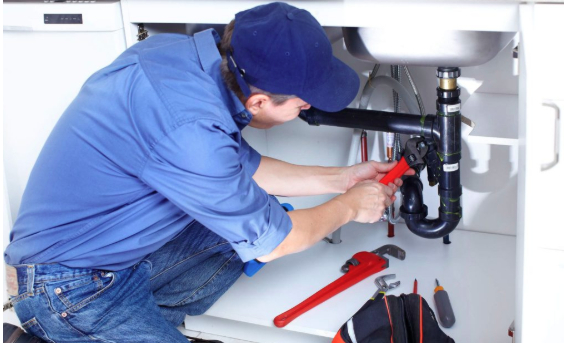
Most people think home plumbing maintenance means fixing things when they break. That’s backwards thinking. The real work happens during those quiet months when everything seems fine. You’re checking the pressure relief valve on your hot water system. You’re flushing sediment from the tank. You’re inspecting flex hoses before they split. These unglamorous tasks separate homeowners who sleep soundly from those who wake up to water pooling across their laundry floor.
Preventing Costly Emergencies
Here’s something plumbers won’t advertise. Most emergency callouts stem from neglect, not bad luck. That Sunday afternoon flood? It started months ago as a slow drip inside your vanity. The drip rotted the particleboard unnoticed. The average Australian home loses water daily through invisible leaks. Enough to fill a bathtub each week. Get under your sinks regularly with a torch. Feel around pipe joints. Damp means trouble is brewing. Catching it early means you’re dealing with a washer replacement instead of a full cabinet rebuild.
Extending System Lifespan
Copper pipes last decades if treated right. Harsh water chemistry cuts that short though. Sydney’s soft water is kind to pipes. Perth’s hard water is brutal. If you’re in a hard water area and haven’t installed a water softener, expect calcium buildup choking your pipes. Regularly flushing your system helps. Meanwhile, your hot water system needs annual flushing regardless of location. That sediment sits at the bottom. It forces your system to work harder. Burns more energy. Dies younger.
Reducing Water Wastage
A toilet that runs intermittently wastes more than any dripping tap. People ignore it because it stops eventually. That’s your flapper valve degrading. Each phantom flush dumps litres down the drain. Multiply that by several times daily and you’re haemorrhaging water. Drop food colouring in your cistern and wait. If colour appears in the bowl without flushing, you’ve found your leak. It’s a cheap part that most people can replace themselves.
Maintaining Water Pressure
Low pressure isn’t always about the mains supply. Aerators clog with mineral deposits and restrict flow. Those little screens on tap spouts need attention. Unscrew them regularly and soak in vinegar overnight. If your shower’s pathetic but your kitchen tap roars, check the shower head the same way. People spend hundreds on new fixtures when a quick cleaning job would’ve fixed everything. Pressure issues affecting your whole house though? That’s worth investigating properly. It might signal pipe corrosion or a failing pressure regulator.
Protecting Your Property Value
Buyers bring plumbers to inspections now. They’re checking for outdated pipes and galvanised steel that’s rusting from the inside. They’re looking for dodgy DIY work that’ll need redoing. One property inspector found a homeowner had connected their dishwasher drain directly to the sewer line. No trap. Sewer gas straight into the kitchen. That kind of discovery kills sales fast. Keep maintenance records. They prove you’ve been responsible. They calm nervous buyers too.
Improving Water Quality
Old brass taps leach lead. Rubber hoses degrade and taint water with petroleum compounds. If your cold water smells odd after holidays, it’s been sitting in pipes. Accumulating whatever those pipes are made of. Run taps before drinking after extended absences. Replace braided hoses on washing machines regularly. They perish internally before showing external damage. Then burst spectacularly in the middle of the night when you’re asleep.
Ensuring Compliance Standards
Backflow prevention devices stop your garden hose from contaminating mains water. They need annual testing though. Most homeowners don’t realise they have them, let alone maintain them. Councils are cracking down because one faulty device can poison neighbourhood water supplies. If you’ve got irrigation systems or pool equipment, this applies to you. Ignoring it risks fines and liability if contamination occurs.
Identifying Hidden Problems
Slab leaks are the nightmare scenario. Pipes beneath your concrete foundation spring leaks you can’t see. Not until your water bill triples or floors start cracking. Listen for running water when everything’s off. Check your metre before bed and again in the morning without using water. If it’s moved, you’re leaking somewhere. Thermal cameras can pinpoint hot spots from leaking hot water pipes without breaking concrete. You need to suspect a problem first though.
Conclusion
Home plumbing maintenance isn’t about becoming a plumber yourself. It’s about knowing what to watch for and when to call one. Check accessible pipes regularly. Service your hot water system annually. Replace wearing parts before they fail. That approach costs less than one emergency callout. It prevents the kind of damage that makes you wish you’d paid attention sooner. Your plumbing won’t maintain itself. Giving it attention regularly beats the alternative.

