
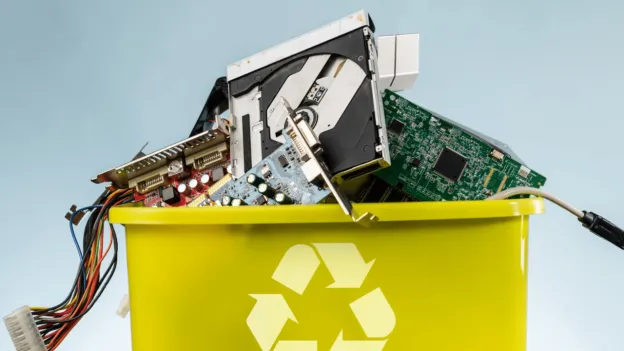
A pile of old computers, servers, and networking devices may look like nothing more than unwanted hardware, but its actual value depends on several factors. Two businesses disposing of similar quantities of equipment may receive different offers because the age, specifications, condition, and resale potential of their assets vary. Understanding these details helps organisations make informed decisions when arranging e-waste IT recycling in bulk.
1. Equipment Type Sets The Starting Point
The first step in assessing IT scrap value is identifying the equipment available for disposal. Desktop computers, laptops, servers, networking switches, storage devices, printers, and accessories each have different components and potential uses.
A business clearing a server room, for example, may possess equipment with valuable processors, memory modules, or storage components. Meanwhile, a batch of outdated office desktops may have a different recovery potential. Identifying the equipment accurately gives buyers a foundation for evaluating the collection rather than assigning an arbitrary price to everything together.
2. Specifications Influence Market Demand
Technical specifications can significantly affect an item’s potential resale value. Processor generation, memory capacity, storage type, graphics hardware, connectivity features, and manufacturer all help determine whether a computer or component remains useful.
Equipment that supports current business requirements may attract more interest than hardware with limited compatibility or outdated specifications. However, higher specifications do not automatically guarantee a better offer. Actual demand, equipment condition, and the availability of comparable products also influence the assessment.
3. Physical Condition Reveals Recovery Potential
Two devices with identical specifications may have different values if one is fully functional and the other has damaged ports, broken casings, or missing components.
Buyers may inspect visible damage, signs of overheating, corrosion, missing parts, and general wear. Functional testing can provide additional information when appropriate. Equipment in good condition may be suitable for reuse or refurbishment, while damaged devices may be more appropriate for component recovery or recycling.
A clear understanding of conditions helps businesses develop realistic expectations before finalising a transaction.
4. Quantity Changes The Assessment Process
Bulk disposal introduces additional considerations that do not always apply to individual sales. A company might have hundreds of desktops, multiple server racks, or several boxes of networking equipment accumulated during a major technology upgrade.
An IT scrap purchaser Dubai businesses approach should be able to evaluate the quantity and composition of the collection before making an offer. Large batches may require sorting, inventory checks, transport planning, and separate assessments for different equipment categories.
Although bulk quantities can simplify collection, they do not guarantee a higher price per item. The final valuation still depends on the condition, specifications, and recoverable value of the assets.
5. Reusable Components Can Retain Value
A computer that no longer meets an organisation’s performance requirements may still contain useful components. Memory modules, processors, power supplies, storage devices, and other parts may have reuse or recovery potential, depending on their condition and compatibility.
The same principle applies to servers and networking hardware. Buyers may assess whether complete units can be resold, refurbished, or dismantled for usable components.
This distinction explains why the value of obsolete equipment cannot always be judged by its original purchase price or its current appearance.
6. Data Security Adds An Important Step
Before equipment is transferred, businesses should identify devices that contain sensitive information. Computers, laptops, servers, and storage media may hold customer records, financial documents, employee information, or confidential business files.
Secure data removal should be handled before resale or recycling, using methods appropriate to the storage medium and the organisation’s requirements. Where necessary, businesses should request documentation of the data destruction process.
These precautions do not automatically increase the resale price, but they help reduce security risks and make the disposal process more responsible.
7. Recycling Costs Can Affect The Offer
Not every item in a collection has resale potential. Damaged circuit boards, broken components, obsolete devices, and certain mixed materials may require specialised handling or further processing.
The costs associated with sorting, transportation, dismantling, and recycling can influence the amount a buyer is willing to pay. Equipment containing recoverable materials may still have value, but that value depends on material composition, processing requirements, and prevailing market conditions.
Understanding these costs helps explain why a buyer may offer different amounts for equipment that appears similar on the surface.
8. Inventory Records Support Fair Valuation
A basic equipment inventory can make the assessment more efficient. Businesses should record available quantities, manufacturer names, model numbers, approximate ages, and known faults wherever possible. This preparation is particularly useful when arranging e-waste IT recycling in bulk, as it helps buyers understand the collection’s overall composition.
Photographs and existing asset registers can help buyers understand the collection before arranging an inspection. Separating working equipment from damaged units can also reduce confusion and improve the accuracy of the evaluation.
These records provide a useful reference when comparing offers, clarifying exclusions, and confirming which items are included in the transaction.
9. Comparing Offers Beyond The Price
The highest initial quote is not always the most suitable offer. Businesses should examine whether the quoted amount covers the entire collection, whether transportation charges apply, how damaged equipment is handled, and what documentation is provided.
A dependable buyer should explain the valuation process clearly and communicate any changes identified during inspection. Organisations should also confirm collection arrangements and data security responsibilities before releasing their assets.
Comparing these details helps businesses assess the overall transaction rather than focusing exclusively on the headline price.
Conclusion
Accurate IT scrap valuation requires more than counting devices or estimating their original purchase cost. Equipment type, technical specifications, physical condition, market demand, reusable components, and processing expenses all contribute to the final assessment. Preparing an inventory and understanding these factors can help businesses approach bulk disposal with realistic expectations.
For organisations seeking a practical route to clear obsolete technology, E-Waste IT Recycling offers an option to explore IT equipment collection and recycling services. Working with an experienced IT scrap purchaser Dubai businesses can approach for bulk clearance can also help organisations understand equipment valuation and arrange appropriate handling of their unwanted assets.
