
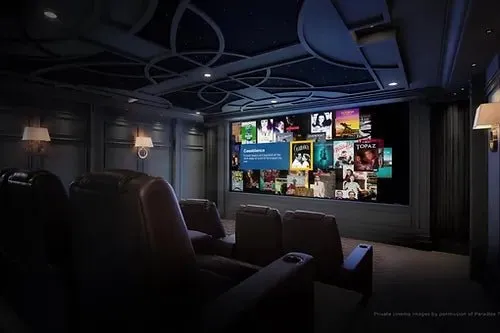
A household rarely agrees on what to watch every evening. Children may prefer animated movies, teenagers might enjoy action films, and adults may want a quiet movie night in another room. Managing these preferences becomes easier when entertainment technology supports independent viewing spaces. A properly designed multiroom movie system allows compatible players to access a shared collection while providing separate playback controls. However, successful results depend on network planning, system capacity, and understanding how different components work together.
Understand the Difference Between Players and Servers
A multiroom movie system generally separates content storage from playback devices. This arrangement allows different rooms to access movies without requiring an independent collection for every television. The Kaleidescape Strato C Player is designed to play movies from compatible storage-equipped Kaleidescape components. It does not operate as a completely independent movie storage system.
For example, a Strato C can work with a compatible Terra server or supported Strato player containing internal storage. Understanding this relationship prevents homeowners from purchasing playback equipment without the components necessary for operation.
Determine How Many Movies May Play Simultaneously
The number of televisions in a house does not necessarily determine the required system capacity. What matters is how many rooms will play movies at the same time. A household with four entertainment spaces might rarely use more than two simultaneously. Another family may regularly have several viewers watching different films.
A compatible Kaleidescape Terra Movie Server can support multiple playback zones, but simultaneous playback capacity depends on the specific server configuration. Homeowners should discuss realistic viewing patterns before selecting hardware. This avoids both insufficient performance and unnecessary equipment purchases.
Design Each Viewing Space Around Its Purpose
Different rooms rarely benefit from identical equipment arrangements. A dedicated theater may include a projector, surround sound, and carefully positioned seating. A bedroom might require only a television and modest audio equipment. Consider the viewing distance, available furniture space, and typical listening volume in each location.
Shared living areas should also have straightforward controls so family members can select entertainment without disturbing other rooms. Creating separate equipment plans allows homeowners to invest more heavily where performance matters most while keeping secondary viewing spaces practical and comfortable.
Make Network Reliability a Priority
Multiroom movie playback requires dependable communication between players and compatible servers. Network interruptions can create frustrating problems, particularly when several devices operate simultaneously. Kaleidescape specifies Gigabit Ethernet as the minimum network connection for its compatible components, with faster infrastructure needed to take advantage of certain higher-performance server capabilities.
Wired connections should therefore be considered during initial planning. Network switches, cable pathways, and equipment locations deserve attention before installation begins. A well-organized network also simplifies maintenance and provides a stronger foundation for future entertainment expansion.
Give Every Room Independent Controls
A shared movie collection should not mean that every room must follow the same playback commands. Each viewing space needs convenient access to its own movie selection, playback functions, and compatible audio controls. Depending on the installation, users may operate their systems through supported remote controls, mobile applications, or integrated home automation interfaces.
Useful functions include:
-
Starting different movies in separate rooms.
-
Pausing playback without affecting another viewer.
-
Adjusting individual room volume levels.
-
Accessing available movie collections independently.
-
Switching between supported entertainment sources.
Clear controls make the system easier for children, guests, and other household members to use confidently.
Plan Equipment Placement and Cooling
Centralized entertainment systems often contain networking equipment, movie servers, and other electronics that require appropriate ventilation. An enclosed cabinet may look attractive, but inadequate airflow can contribute to overheating. Homeowners should follow manufacturer clearance recommendations and avoid placing equipment near unsuitable heat sources.
Cable organization is equally important. Proper labeling helps identify connections when a device requires servicing or replacement.
Playback devices installed within individual rooms should also remain accessible for maintenance.
Thoughtful equipment placement improves reliability while keeping visible entertainment areas uncluttered.
Prepare for Future Rooms Without Overinvesting
Families may eventually convert bedrooms, basements, or unused spaces into additional entertainment areas. Planning cable routes and suitable network capacity during renovation can make future installation easier. However, purchasing several unused movie players immediately is rarely necessary.
A more practical approach is to identify likely expansion areas and determine which infrastructure improvements would be difficult to complete later. Before adding another playback zone, homeowners should confirm server capacity, network compatibility, and the requirements of the intended display system. This measured approach supports flexibility without turning future possibilities into immediate expenses.
Conclusion
Multiroom entertainment is most valuable when household members can enjoy different movies without competing for the same equipment or disrupting one another. Achieving that convenience requires more than adding televisions throughout the property. Server capacity, reliable networking, individual controls, and appropriate equipment placement must work together. Epic Systems offers Kaleidescape products that can support professionally planned multiroom installations. The real benefit emerges when each room feels independent, while the underlying technology remains organized and manageable for the entire household.
