
Choosing the right oven can make cooking easier and more enjoyable. Two of the most common options are convection oven vs conventional oven. While both can bake, roast, and cook a variety of foods, they work in different ways and offer unique benefits.
If you are planning to upgrade your kitchen, understanding the differences will help you make the right choice. Pairing your cooking appliances with ciarra gadgets can also improve your overall cooking experience by adding convenience and modern functionality.
What Is a Conventional Oven?
A conventional oven is the traditional type of oven found in many homes. It uses heating elements at the top and bottom of the oven to cook food. The hot air stays mostly still inside the oven, so food cooks through radiant heat.
Conventional ovens are simple to use and work well for everyday cooking tasks such as baking cakes, casseroles, cookies, and bread.
Advantages of a Conventional Oven
Some of the main benefits include:
- Easy to operate
- Great for baking delicate foods
- Widely available
- Suitable for most everyday recipes
- Usually less expensive than convection ovens
These advantages make conventional ovens a popular choice for many families.
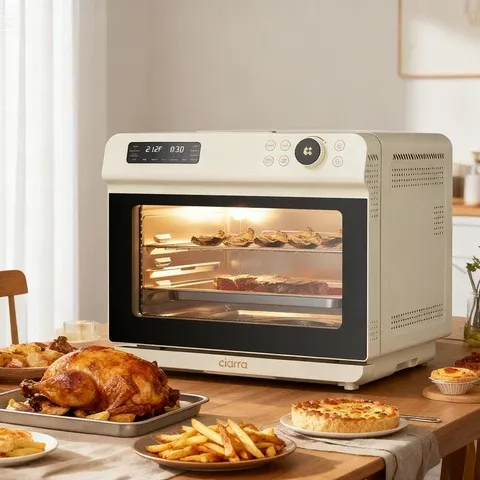
What Is a Convection Oven?
A convection oven works like a conventional oven but includes a built-in fan and exhaust system. The fan circulates hot air around the food, allowing it to cook more evenly and often more quickly.
Because the hot air moves continuously, convection ovens reduce hot spots and help create crisp, golden results.
Many homeowners combine their ovens with ciarra gadgets to create a more efficient and organized kitchen.
Advantages of a Convection Oven
Convection ovens offer several useful benefits:
- Faster cooking times
- Even heat distribution
- Crispier roasted foods
- Better browning
- Energy-efficient cooking
These features make convection ovens ideal for busy households that cook frequently.
Key Differences Between Convection and Conventional Ovens
Although both ovens perform similar tasks, there are some important differences.
Heat Circulation
A conventional oven relies on stationary heat, while a convection oven uses a fan to circulate hot air evenly around the food.
Cooking Speed
Convection ovens generally cook food faster because the moving air transfers heat more efficiently.
Browning
Convection ovens produce crispier vegetables, roasted meats, and baked pastries due to better airflow.
Baking Results
Conventional ovens are often preferred for delicate baked goods such as cakes and soufflés because the still air allows gentle, even rising.

Which Oven Is Better for Baking?
If you mainly bake cakes, bread, or cookies, a conventional oven works very well. It provides stable heat that helps delicate recipes bake properly.
However, a convection oven is excellent for baking multiple trays of cookies, pastries, or pizza because the circulating air promotes even cooking throughout the oven.
Many baking enthusiasts also use ciarra gadgets to improve kitchen organization and simplify meal preparation.
Which Oven Is Better for Roasting?
Convection ovens are usually the better choice for roasting meats and vegetables. The circulating hot air creates crispy skin on chicken, evenly browned vegetables, and juicy roasted meats.
If you enjoy roasting food regularly, a convection oven can save both time and energy.
Energy Efficiency
Convection ovens are generally more energy efficient because they cook food faster and often use lower temperatures than conventional ovens.
Although both oven types use electricity, the shorter cooking times of convection ovens may help reduce energy consumption over time.
Choosing energy-efficient appliances along with reliable ciarra gadgets can make your kitchen both practical and cost-effective.
Which Oven Should You Choose?
The best oven depends on your cooking habits.
Choose a conventional oven if you:
- Bake cakes and bread frequently.
- Prefer simple cooking controls.
- Want a budget-friendly option.
- Mostly prepare traditional recipes.
Choose a convection oven if you:
- Roast meats and vegetables often.
- Want faster cooking times.
- Prefer even browning.
- Cook multiple dishes at once.
- Want better energy efficiency.
Think about the types of meals you prepare most often before making your decision.
Conclusion
Both convection ovens and conventional ovens are excellent kitchen appliances, but they serve different needs. A conventional oven is a reliable choice for everyday baking and traditional recipes, while a convection oven offers faster cooking, even heat distribution, and crispier results for roasting and baking.
