
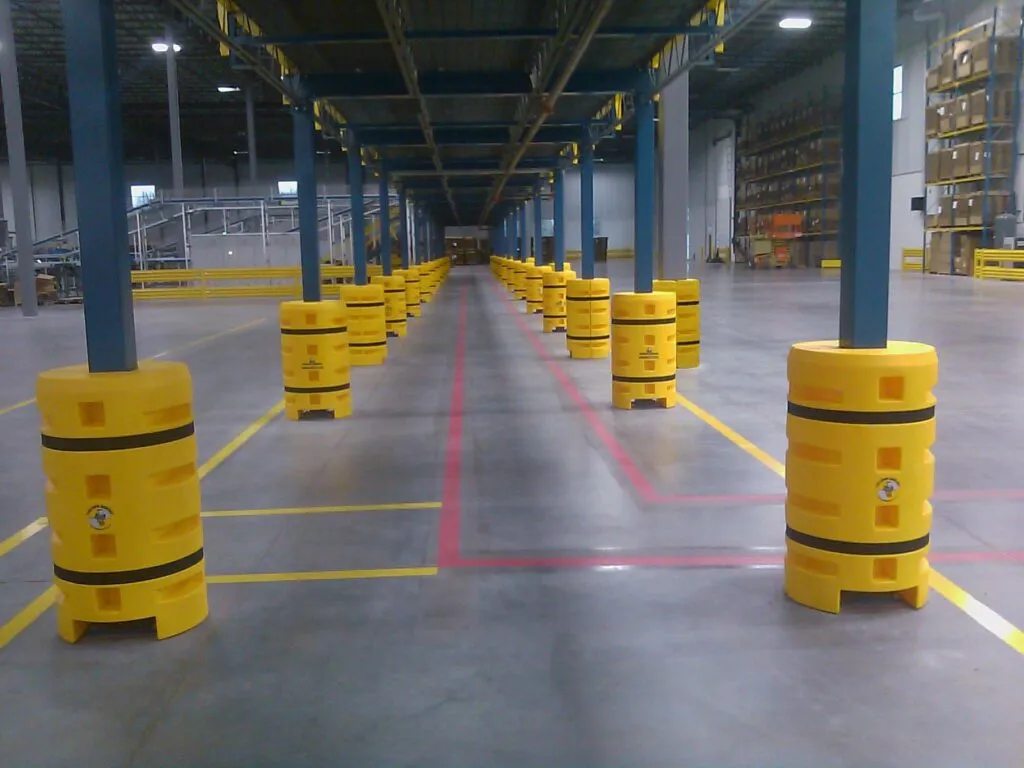
A warehouse without floor markings is a maze of guesswork. Pallets drift into walkways, forklifts meet pedestrians at blind corners, and pickers waste minutes hunting for the right bay. Warehouse floor painting has long been the budget answer to that chaos, but modern facilities are discovering that the floor itself can serve as a complete visual management system. This article shows how to design one.
Why Visual Order Pays Off
Every second lost to confusion adds up across shifts. Clear zones tell people where to walk, where to stack, and where to wait. New hires learn the layout faster, and temporary staff make fewer mistakes during peak weeks.
Safety improves alongside efficiency. Defined pedestrian paths reduce near misses, and marked hazard areas draw the eye before an accident happens. Managers also find audits easier, because compliance is visible rather than buried in paperwork.
Mapping Traffic Before Marking
Begin by observing real movement, not the idealized plan on paper. Watch where forklifts turn, where pickers cluster, and where congestion forms at shift change. Sketch those patterns over a floor plan.
Then redesign with intent. Separate pedestrian and vehicle routes where possible, widen pinch points, and place crossing points where visibility is good. Test the new layout with a few staff members before anything is permanently applied.
A Color Code Everyone Understands
Consistency matters more than any particular palette. Many sites use yellow for traffic lanes, green for safety equipment, red for fire gear, and blue for materials awaiting action. Whatever scheme you choose, document it and post a legend.
Avoid inventing too many colors. Five or six clearly defined meanings are easy to remember, while a rainbow of shades confuses everyone. Train staff during induction and refresh the lesson occasionally, so the system stays meaningful.
Choosing Durable Marking Methods
Thin paint scuffs quickly under wheels. Tape lasts longer in light-duty areas but can peel at heavy turning points. Resin-based striping bonds to the slab and survives abrasion far better, which suits main aisles and loading zones.
Surface preparation controls how long any marking survives. Dust, oil, and loose material must be removed first, or edges will lift. Ask about line width, edge sharpness, and recoat intervals before choosing a method.
Extending the System Into Offices
Floors in the administrative wing deserve the same thinking. A mezzanine or front-of-house area with epoxy flooring office finishes can echo the warehouse color scheme, creating a continuous identity from the dock to the reception desk. Visitors then understand where to go without relying on signs alone.
Continuity also simplifies maintenance. Staff learn one cleaning method, one set of products, and one inspection routine. Matching the finish across zones makes future repairs easier to blend and keeps the whole facility looking cohesive.
Floor Labels and Wayfinding
Painted numbers, arrows, and bay labels turn the slab into a map. Large characters visible from a forklift seat speed up putaway and picking. Stencils keep lettering consistent and professional.
Plan for change. Racking layouts evolve, so choose label positions that will not become obsolete in six months. Leave some neutral space, and keep a drawing of every marking so updates stay accurate.
Maintenance and Refresh Cycles
Inspect markings monthly. Look for worn corners, faded colors, and lines that no longer match the layout. Sweep and scrub regularly, because grit acts like sandpaper under wheels.
Refresh high-traffic intersections first, since they wear fastest. Scheduling touch-ups during planned downtime avoids disruption. A modest, regular upkeep routine costs far less than a complete repaint after neglect.
Conclusion
A well-marked floor reduces confusion, prevents accidents, and speeds up daily work. Observe real traffic, adopt a simple color code, choose durable materials, and keep the system updated as layouts change. The floor then becomes an active tool rather than a passive surface.
To discuss your facility and explore practical options, visit huskycoatings.com and speak with the team.
